Common Reasons Residential Stamped Concrete Cracks and Fades Over Time
Residential stamped concrete repair experts can help address common reasons residential stamped concrete cracks and fades over time, restoring durability and appearance effectively.
Homeowners with stamped concrete patios, driveways, or walkways often notice cracks or fading over time, raising questions about the durability of their investment. Understanding the common reasons residential stamped concrete cracks and fades over time can help property owners identify potential issues early and explore repair options. Local contractors who specialize in stamped concrete repair are familiar with these typical challenges and can provide practical solutions to restore the appearance and integrity of the surface.
Factors such as improper installation, weather conditions, and ground movement are frequent contributors to the deterioration of stamped concrete. These issues can lead to unsightly cracks or a loss of color vibrancy that diminishes curb appeal. Recognizing these causes encourages property owners to seek expert assistance, ensuring that repairs are performed correctly and that the surface maintains its beauty and functionality for years to come. Connecting with experienced service providers can help address these common problems effectively.
- Residential stamped concrete cracks may develop over time due to ground shifting or improper initial installation, prompting homeowners to seek repair services from local contractors.
- Fading of stamped concrete can occur as a result of prolonged exposure to sunlight and weather elements, leading residents to consider professional restoration options offered by local service providers.
- Cracks caused by freeze-thaw cycles often require specialized repair techniques that local pros can provide to prevent further damage and restore the appearance of the stamped concrete.
- Surface deterioration from heavy use or weight may lead homeowners to look for repair solutions from local contractors experienced in stamped concrete restoration.
- Color fading or uneven tone over time may lead residents to seek professional staining or sealing services from local pros to enhance the durability and aesthetic of their stamped concrete.
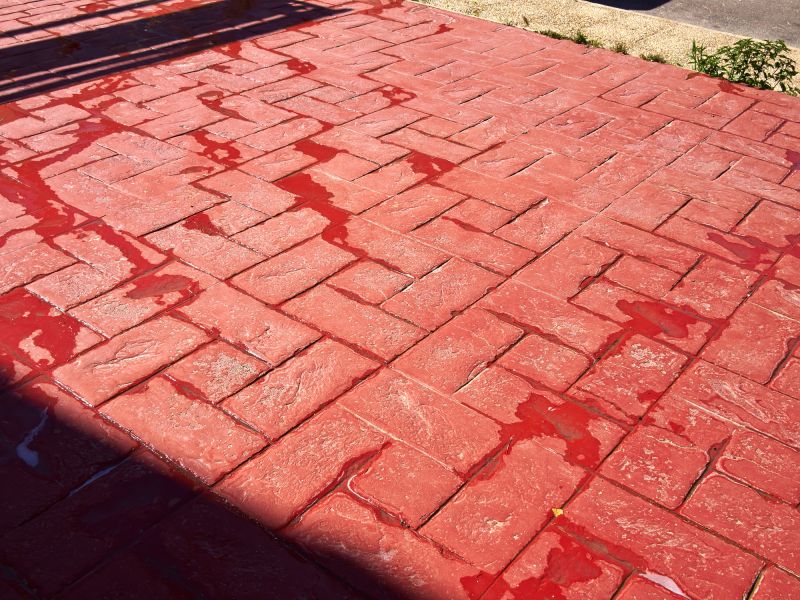
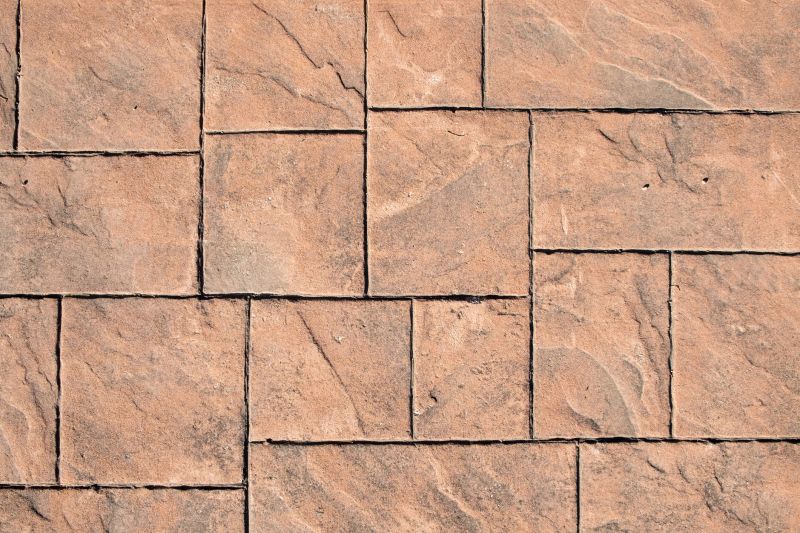
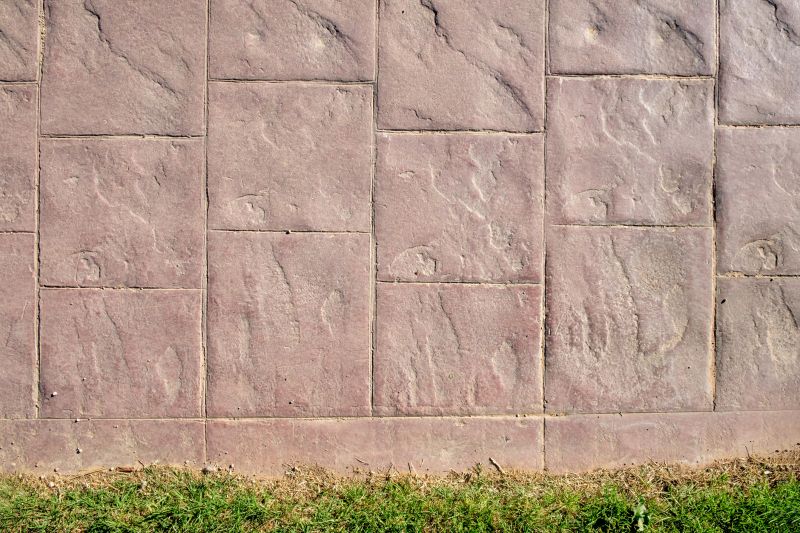
When homeowners search for information about common reasons residential stamped concrete cracks and fades over time, they are usually seeking to understand why their decorative surface is showing signs of damage or wear. This topic often comes up in the context of maintaining or restoring a driveway, patio, walkway, or pool deck that has been enhanced with stamped concrete to add aesthetic appeal. Property owners want to identify the underlying causes of issues so they can decide whether repairs, resurfacing, or replacement are necessary. Understanding these common problems helps homeowners plan for long-term durability and preserve the visual appeal of their outdoor spaces.
The problems associated with cracks and fading in stamped concrete are typically linked to both installation factors and environmental conditions. Cracks may develop due to improper mixing, inadequate curing, or insufficient control joints that allow the concrete to expand and contract with temperature changes. Fading often results from prolonged exposure to sunlight, weathering, and the gradual wearing away of the decorative color or overlay. These issues are especially relevant for projects that involve outdoor properties where concrete is exposed to fluctuating weather patterns. Homeowners with plans to improve or maintain their stamped concrete surfaces often seek advice on how to prevent or address these common problems effectively.
The types of properties that frequently encounter issues with stamped concrete cracking and fading include residential homes with driveways, patios, and pool decks. These surfaces are often subjected to regular foot or vehicle traffic, which can accelerate wear if the concrete isn’t properly installed or maintained. Homes with outdoor entertainment areas or landscaped yards featuring stamped concrete surfaces are also common settings for these problems. Property owners who want to extend the life of their stamped concrete or restore its original appearance often look for local service providers experienced in residential stamped concrete repair. These professionals can assess the severity of cracks or fading and recommend appropriate solutions to preserve the structural integrity and visual appeal.
Understanding the common reasons residential stamped concrete cracks and fades over time is essential for homeowners planning repairs or replacements. Many issues stem from factors such as poor installation practices, environmental exposure, and natural aging processes. Local contractors specializing in stamped concrete repair are equipped to handle these problems, whether through crack filling, resurfacing, or sealing to prevent further deterioration. Connecting with experienced service providers can help property owners develop a plan to address existing damage and protect their investment. Proper diagnosis and timely intervention ensure that stamped concrete remains a durable and attractive feature of the home’s outdoor space for years to come.
Concrete resurfacing projects involve applying overlays or sealers, which require skills similar to those used in stamped concrete repair to prevent cracking and fading over time.
Driveway restoration services focus on fixing surface issues that can lead to cracks and wear, paralleling the planning needed to address common issues in stamped concrete surfaces.
Patio and walkway remodeling often involve surface preparation and finishing techniques comparable to stamped concrete work, helping to mitigate fading and cracking concerns.
Concrete sealing applications are essential for protecting surfaces from moisture and UV damage, closely related to preventing the fading of stamped concrete over time.
Foundation crack repair requires precise assessment and reinforcement methods similar to those used in addressing cracks in stamped concrete finishes.
Surface leveling and slab lifting involve techniques that help prevent uneven settling and cracking, which are common issues in stamped concrete that fades or cracks over time.
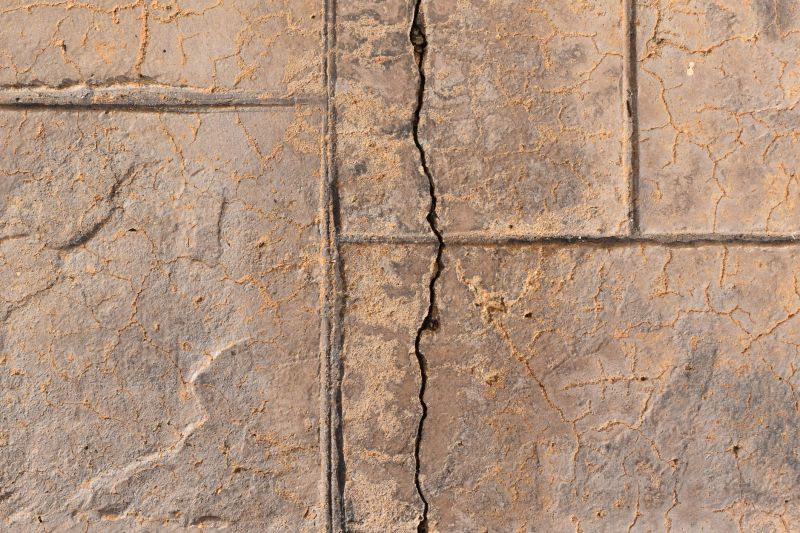
When evaluating local contractors for residential stamped concrete repair, it is important to consider their experience with similar projects. An experienced service provider will have a solid understanding of common issues such as cracking and fading over time, and will be familiar with the best techniques to address these problems effectively. Homeowners should inquire about the types of projects the contractor has completed in the past, especially those involving stamped concrete with similar conditions, to gauge their familiarity and skill level. This background can help ensure that the chosen professional understands the specific challenges associated with stamped concrete and is capable of providing durable, long-lasting repairs.
Clear written expectations are essential when comparing local service providers for stamped concrete repair. A reputable contractor will be able to provide detailed descriptions of their proposed work, including the scope of repairs, materials to be used, and the anticipated results. Having this information in writing helps homeowners understand what to expect and reduces the likelihood of misunderstandings. It also allows for better comparison between different contractors’ approaches, ensuring that the selected professional’s methods align with the homeowner’s needs for addressing issues like cracking and fading effectively.
Reputable references and good communication are key factors in selecting a reliable local contractor. Service providers with strong references can offer insights into their previous work, demonstrating their ability to handle repairs that stand up to time and weather conditions. Additionally, clear and open communication throughout the process helps ensure that homeowners’ questions are answered and concerns addressed promptly. This level of transparency can contribute to a smoother repair experience and greater confidence that the contractor understands the importance of addressing common issues such as cracking and fading over time, ultimately helping homeowners achieve a result that maintains the appearance and integrity of their stamped concrete.
Property owners often search for common reasons residential stamped concrete cracks and fades over time when they are planning practical projects around their homes and businesses. Local pros provide Residential Stamped Concrete Repair services for everyday jobs and straightforward project options.
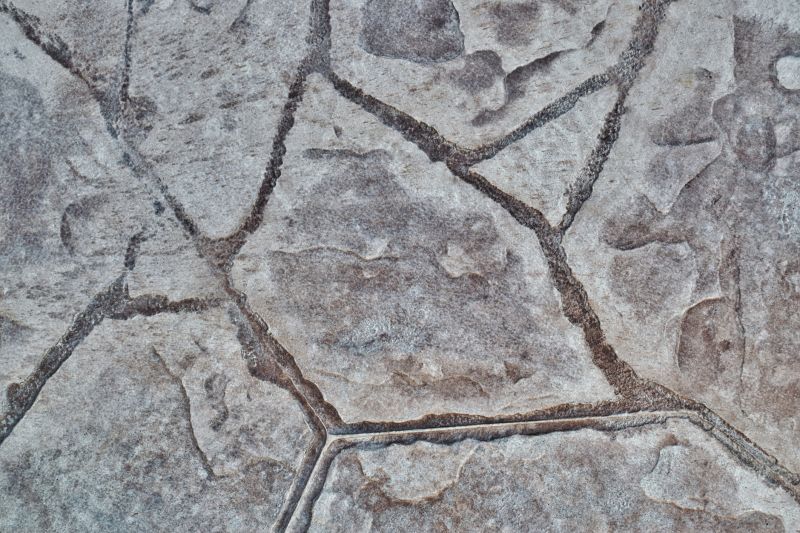
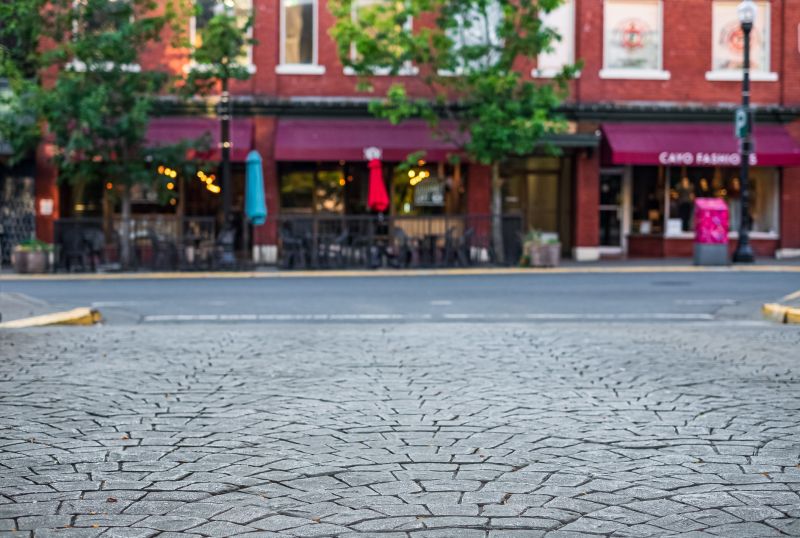
Understanding the common reasons residential stamped concrete cracks and fades over time can help property owners better maintain their outdoor spaces. Factors such as ground movement, temperature fluctuations, and improper installation are often at play, especially in areas with variable weather or uneven soil conditions. Additionally, exposure to harsh sunlight and frequent foot traffic can accelerate fading and surface wear. When these issues arise, local contractors experienced in stamped concrete repair can assess the situation and recommend suitable solutions to restore the appearance and integrity of the surface.
Many property owners also discover that aging materials and lack of proper sealing contribute to the deterioration of stamped concrete. Over time, concrete can develop cracks due to natural settling or minor shifts in the foundation, while the surface may fade without regular sealing or protective treatments. Recognizing these common causes can prompt property owners to seek the expertise of local service providers who specialize in stamped concrete repairs. These professionals can address both cosmetic and structural concerns, helping to extend the lifespan of the stamped concrete and maintain its visual appeal.
What causes cracks in residential stamped concrete over time? Cracks often develop due to soil movement, improper installation, or temperature fluctuations that cause expansion and contraction of the concrete surface.
Why does stamped concrete tend to fade with age? Fading occurs because exposure to sunlight, weather, and wear can degrade the color and finish, especially if protective sealers are not regularly maintained.
How can improper curing lead to cracking and fading? Insufficient curing can weaken the concrete, making it more susceptible to cracking, while inadequate sealing can accelerate color fading and surface deterioration.
Are there specific environmental factors that contribute to stamped concrete damage? Yes, exposure to freeze-thaw cycles, moisture, and UV rays can accelerate cracking and fading in stamped concrete surfaces.
What repair options do local contractors offer for cracked or faded stamped concrete? Local service providers can perform crack repairs, surface refinishing, and resealing to restore the appearance and integrity of stamped concrete surfaces.
Understanding soil movement - property owners can work with local contractors to assess and address soil shifts that cause cracking in stamped concrete.
Choosing appropriate sealing products - consulting local pros about sealers that prevent fading and protect against moisture damage helps maintain concrete appearance.
Proper installation techniques - ensuring that experienced service providers use correct methods can reduce early cracking and fading over time.
Managing exposure to elements - property owners can plan for protective measures against weather-related wear by partnering with local contractors for ongoing maintenance.
If you are thinking about common reasons residential stamped concrete cracks and fades over time for a property, this guide is meant to help you understand this topic, the typical project types, and how different options might fit your plans.
When you are ready, you can use the quote form on this page to share a few details about your project. From there, local pros can review the basics and follow up with options that match what you have in mind.